African Mango Benefits
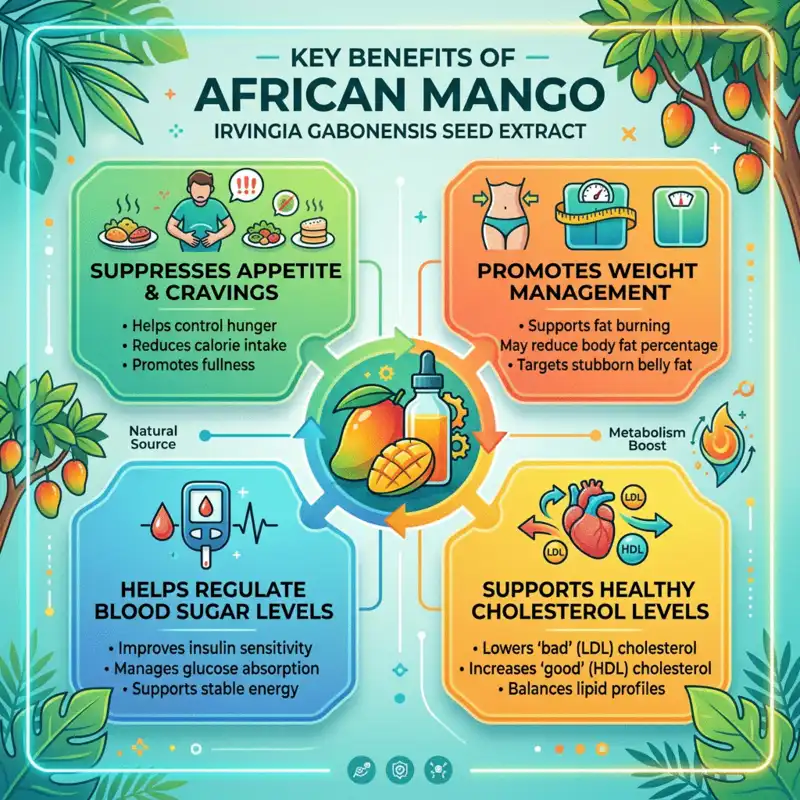
Here are five topics on the benefits of African Mango.
1. **Weight Management and Fat Loss**
2. **Blood Sugar and Cholesterol Regulation**
3. **Appetite Suppression and Satiety**
4. **Digestive Health and Fiber Content**
5. **Antioxidant Properties and Overall Wellness**
# Unlocking the Metabolic Potential of *Irvingia gabonensis*: A Deep Dive into its Role in Weight Management and Fat Loss
The global obesity epidemic continues to pose a significant public health challenge, driving relentless research into novel, efficacious, and safe interventions. Among the diverse array of natural compounds garnering scientific attention, *Irvingia gabonensis* (IG), commonly known as African Mango, has emerged as a compelling candidate with promising implications for weight management and fat loss. Far from being another fleeting trend, the growing body of evidence surrounding IG's mechanisms of action and clinical efficacy warrants a thorough and critical examination by researchers. This article delves into the intricate molecular pathways, physiological effects, and clinical outcomes associated with *Irvingia gabonensis* supplementation, providing an authoritative overview for those investigating its potential as a therapeutic agent in the fight against metabolic dysregulation.
## The Biochemical Landscape of *Irvingia gabonensis* Seed Extract
The therapeutic properties of *Irvingia gabonensis* are primarily attributed to the rich phytochemical composition of its seed extract, often referred to as African Mango seed extract (AMSE). Unlike the fruit pulp, which is consumed locally, the seeds (kernels) are the focus of scientific inquiry due to their unique profile of soluble fiber, proteins, and secondary metabolites.
### Key Bioactive Constituents
The primary active component believed to confer the weight management benefits is a complex matrix of **soluble dietary fiber**. This fiber, distinct from common dietary fibers, exhibits unique rheological properties, forming a viscous gel in the gastrointestinal tract. Beyond fiber, AMSE contains:
* **Proteins:** A significant portion of the seed's dry weight is protein, contributing to its nutritional value.
* **Fats:** While the seeds are oleaginous, yielding "dika nut" oil, the defatted extract used in most studies emphasizes the non-lipid components.
* **Polyphenols and Flavonoids:** These compounds contribute to the antioxidant capacity of the extract, potentially mitigating oxidative stress associated with obesity.
* **Tannins and Saponins:** These secondary metabolites may play roles in enzyme inhibition and nutrient absorption.
The synergistic action of these components, rather than a single isolated compound, is likely responsible for the observed physiological effects. Understanding the precise quantification and bioavailability of these constituents in standardized extracts is crucial for reproducible research and clinical application.
## Mechanisms of Action: Unraveling the Metabolic Pathways
The efficacy of *Irvingia gabonensis* in promoting weight loss and fat reduction is not attributable to a single mechanism but rather a multifaceted interplay of physiological and biochemical pathways.
### 1. Modulation of Adipogenesis and Lipid Metabolism
One of the most significant proposed mechanisms involves the direct influence of AMSE on adipocyte biology and lipid metabolism. Research suggests that IG extract can:
* **Inhibit Adipogenesis:** Studies have demonstrated that AMSE can suppress the differentiation of pre-adipocytes into mature adipocytes. This involves downregulating key transcription factors involved in adipogenesis, such as peroxisome proliferator-activated receptor gamma (PPAR-γ) and CCAAT/enhancer-binding protein alpha (C/EBPα). By limiting the formation of new fat cells, AMSE may contribute to a reduction in overall fat mass.
* **Enhance Lipolysis:** While direct evidence for enhanced lipolysis (fat breakdown) in human studies is less robust, *in vitro* and animal models suggest that IG may promote the breakdown of stored triglycerides in adipocytes.
* **Regulate Glycerol-3-Phosphate Dehydrogenase (GPDH):** GPDH is a crucial enzyme in triglyceride synthesis. Inhibition of GPDH activity by AMSE has been observed in some studies, leading to reduced fat accumulation within adipocytes.
### 2. Impact on Glucose Homeostasis and Insulin Sensitivity
The interplay between glucose metabolism and fat storage is well-established. *Irvingia gabonensis* appears to positively influence glucose homeostasis, which indirectly supports weight management.
* **Alpha-Amylase Inhibition:** The soluble fiber and possibly other compounds in AMSE may inhibit the activity of alpha-amylase, an enzyme responsible for breaking down complex carbohydrates into simpler sugars. This can lead to a slower absorption of glucose from the gut, resulting in a more gradual rise in blood sugar and insulin levels post-prandially.
* **Improved Insulin Sensitivity:** By mitigating post-meal glucose spikes and potentially reducing systemic inflammation, AMSE may contribute to improved insulin sensitivity. Better insulin sensitivity means the body can more effectively utilize glucose, reducing the likelihood of excess glucose being converted into fat.
### 3. Influence on Adipokines and Energy Expenditure
Adipose tissue is not merely a storage depot but an active endocrine organ that secretes various hormones, known as adipokines, which regulate metabolism.
* **Leptin Sensitivity:** Leptin is a hormone produced by fat cells that signals satiety to the brain. In obesity, individuals often develop leptin resistance, where the brain fails to respond to leptin's signals, leading to continued hunger. Some research suggests that AMSE may help improve leptin sensitivity, thereby promoting feelings of fullness and reducing food intake.
* **Adiponectin Levels:** Adiponectin is an adipokine with insulin-sensitizing, anti-inflammatory, and anti-atherogenic properties. Lower levels of adiponectin are associated with obesity and metabolic syndrome. Preliminary studies indicate that *Irvingia gabonensis* supplementation may increase circulating adiponectin levels, contributing to improved metabolic health.
* **Glycerol-3-Phosphate Dehydrogenase (GPDH) Regulation:** As mentioned earlier, GPDH is involved in triglyceride synthesis. Its inhibition by AMSE can reduce the availability of glycerol-3-phosphate for esterification, thereby diminishing fat storage.
### 4. Gut Microbiome Modulation (Emerging Area)
While direct research is still nascent, the high soluble fiber content of *Irvingia gabonensis* seeds strongly suggests a potential role in modulating the gut microbiome. Soluble fibers act as prebiotics, selectively fermenting by beneficial gut bacteria. A healthy gut microbiome is increasingly recognized for its crucial role in energy harvest, satiety signaling, and overall metabolic health. Further research is needed to elucidate the specific effects of AMSE on gut microbial composition and function.
## Clinical Efficacy: Human Intervention Trials
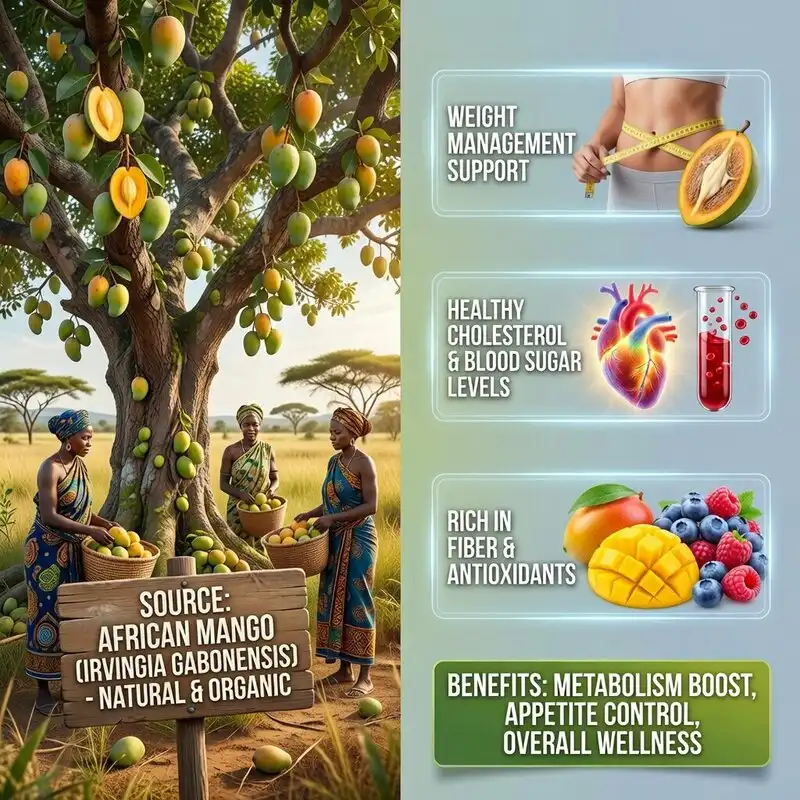
Several human clinical trials have investigated the efficacy of *Irvingia gabonensis* seed extract in weight management. A meta-analysis of these studies generally indicates significant positive outcomes.
### Key Findings from Clinical Trials:
* **Significant Weight Loss:** Multiple randomized, double-blind, placebo-controlled trials have demonstrated that subjects supplementing with *Irvingia gabonensis* (typically 150 mg twice daily before meals) experience significantly greater weight loss compared to placebo groups.
* **Reduction in Body Fat Percentage:** Alongside overall weight loss, studies often report a decrease in body fat percentage, indicating a preferential loss of adipose tissue.
* **Decreased Waist Circumference:** A reduction in waist circumference, a key indicator of visceral adiposity and metabolic risk, has also been consistently observed.
* **Improved Lipid Profiles:** Subjects often exhibit favorable changes in lipid parameters, including reduced total cholesterol, LDL-cholesterol, and triglycerides, alongside an increase in HDL-cholesterol.
* **Better Glucose Control:** Improvements in fasting blood glucose levels have been reported, further supporting the role of AMSE in glucose homeostasis.
* **Appetite Suppression:** While often inferred from reduced caloric intake, direct measures of appetite and satiety have shown some positive trends, aligning with the proposed mechanisms involving leptin sensitivity.
### Methodological Considerations and Future Directions
While promising, it is imperative for researchers to critically evaluate existing literature and identify areas for future investigation:
* **Standardization of Extracts:** Variability in the chemical composition and concentration of active compounds across different commercial preparations of AMSE can influence study outcomes. More rigorous standardization of extracts is necessary for reproducibility and comparability of research.
* **Long-Term Efficacy and Safety:** Most clinical trials have been relatively short-term (8-10 weeks). Longer-duration studies are needed to assess the sustained efficacy and long-term safety profile of *Irvingia gabonensis* supplementation.
* **Dose-Response Relationships:** Further research is required to establish optimal dosing regimens for different populations and desired outcomes.
* **Mechanistic Validation in Humans:** While *in vitro* and animal studies provide strong mechanistic hypotheses, more human studies employing advanced techniques (e.g., biopsies, stable isotope tracing) are needed to validate these mechanisms directly in human subjects.
* **Genetic and Phenotypic Stratification:** Identifying subgroups of individuals who may respond particularly well or poorly to AMSE based on genetic predispositions or metabolic phenotypes could lead to more personalized therapeutic approaches.
* **Combination Therapies:** Investigating the synergistic effects of *Irvingia gabonensis* with other natural compounds or conventional weight management strategies could open new avenues for intervention.
## Frequently Asked Questions (FAQs) for Researchers
### Q1: What is the primary active component in *Irvingia gabonensis* responsible for its weight management effects?
**A1:** While no single "primary" active component has been definitively isolated, the **soluble dietary fiber** content of the *Irvingia gabonensis* seed extract is widely considered to be a key contributor. This fiber, along with proteins, polyphenols, and other secondary metabolites, works synergistically to exert its metabolic effects.
### Q2: Are there any significant adverse effects associated with *Irvingia gabonensis* supplementation?
**A2:** Clinical trials have generally reported *Irvingia gabonensis* to be well-tolerated with a favorable safety profile. The most commonly reported side effects are mild and transient gastrointestinal issues, such as flatulence, headaches, and sleep disturbances, which typically resolve with continued use or dose adjustment. However, long-term safety data is still limited.
### Q3: How does *Irvingia gabonensis* interact with other medications, particularly those for diabetes or hyperlipidemia?
**A3:** Due to its potential effects on blood glucose and lipid metabolism, *Irvingia gabonensis* could theoretically interact with antidiabetic medications (e.g., insulin, metformin) and lipid-lowering drugs (e.g., statins). It is crucial for researchers to investigate these potential interactions in controlled settings. Given its fiber content, it may also affect the absorption of certain medications if taken concurrently.
### Q4: What is the typical dosage of *Irvingia gabonensis* extract used in successful clinical trials?
**A4:** Most successful clinical trials have utilized a dosage of **150 mg of standardized *Irvingia gabonensis* seed extract, taken twice daily (300 mg total per day), typically 30-60 minutes before meals.** However, variations exist, and researchers should consult specific study protocols.
### Q5: Can *Irvingia gabonensis* be considered a standalone treatment for obesity, or is it more effective as an adjunct therapy?
**A5:** Current evidence suggests that *Irvingia gabonensis* is most effectively utilized as an **adjunct therapy** within a comprehensive weight management program that includes dietary modifications and increased physical activity. While it shows promise in promoting weight loss, it is unlikely to be a standalone "magic bullet" for severe obesity. Its role is likely to enhance the efficacy of lifestyle interventions.
### Q6: What is the current understanding of *Irvingia gabonensis*'s impact on the gut microbiome?
**A6:** The impact of *Irvingia gabonensis* on the gut microbiome is an emerging area of research. Given its high soluble fiber content, it is hypothesized to act as a prebiotic, promoting the growth of beneficial gut bacteria. A healthy gut microbiome is linked to improved metabolic health, but direct human intervention studies specifically investigating the microbiome changes induced by *Irvingia gabonensis* are still limited and warrant further exploration.
### Q7: Are there specific genetic markers or metabolic profiles that predict a better response to *Irvingia gabonensis* supplementation?
**A7:** Currently, there is insufficient research to definitively identify specific genetic markers or metabolic profiles that predict a better response to *Irvingia gabonensis* supplementation. This is an important area for future personalized medicine research, as understanding individual variability in response could optimize therapeutic outcomes.
## Conclusion
The scientific investigation into *Irvingia gabonensis* continues to unveil a complex and promising profile for its role in weight management and fat loss. Its multifaceted mechanisms, encompassing the modulation of adipogenesis, glucose and lipid metabolism, and adipokine regulation, provide a compelling rationale for its observed clinical efficacy. While current research offers a strong foundation, the call for more rigorous standardization, long-term safety assessments, and detailed mechanistic validation in diverse human populations remains paramount. As the research community continues to dissect the intricate effects of this natural compound, its potential to serve as a valuable tool in the armamentarium against obesity and metabolic disorders becomes increasingly clear.
Beyond its direct impact on adipose tissue and glucose regulation, *Irvingia gabonensis* also holds significant promise in modulating other critical aspects of metabolic health, particularly in the realm of **blood sugar and cholesterol regulation**, warranting further dedicated exploration.
# Unveiling the Metabolic Marvel: African Mango's Profound Impact on Blood Sugar and Cholesterol Regulation
The global rise of metabolic syndrome, characterized by dyslipidemia and impaired glucose homeostasis, presents a formidable challenge to public health. Researchers are continually exploring novel therapeutic and nutraceutical interventions to mitigate these risks. Among the natural compounds garnering significant scientific interest is *Irvingia gabonensis*, commonly known as African Mango. While often lauded for its potential in weight management, a growing body of evidence suggests that the seed extract of this West African fruit holds remarkable promise in modulating critical pathways involved in blood sugar and cholesterol regulation. This article delves into the intricate mechanisms and clinical findings supporting African Mango's role as a potent agent in the fight against metabolic dysfunction, offering a comprehensive overview for researchers seeking to understand its full therapeutic potential.
## The Biochemical Underpinnings: How African Mango Intervenes in Glucose and Lipid Metabolism
The therapeutic efficacy of *Irvingia gabonensis* largely stems from its unique phytochemical profile, particularly its high content of soluble dietary fiber, proteins, and a diverse array of bioactive compounds including ellagic acid, gallic acid, and various flavonoids and tannins. These constituents work synergistically to exert their metabolic effects.
### Modulating Glucose Homeostasis: A Multifaceted Approach
African Mango's impact on blood sugar regulation is not singular but rather a complex interplay of several mechanisms:
#### 1. Delayed Gastric Emptying and Nutrient Absorption
The high soluble fiber content of African Mango seed extract forms a viscous gel in the gastrointestinal tract. This gel slows down the rate of gastric emptying, leading to a more gradual release of glucose into the bloodstream. Consequently, postprandial glucose excursions are blunted, reducing the demand on pancreatic beta cells for insulin secretion. This mechanism is particularly beneficial in preventing rapid spikes and crashes in blood sugar, contributing to improved glycemic control. Furthermore, the viscous matrix can physically impede the absorption of certain carbohydrates and fats in the small intestine, further mitigating their impact on blood glucose levels.
#### 2. Enhanced Insulin Sensitivity and Glucose Utilization
Studies suggest that African Mango may improve insulin sensitivity, a critical factor in preventing and managing type 2 diabetes. While the exact pathways are still under investigation, research points towards the potential involvement of adiponectin. Adiponectin is an adipokine that plays a crucial role in regulating glucose and lipid metabolism, enhancing insulin signaling, and increasing fatty acid oxidation in muscle and liver. Some studies have observed elevated adiponectin levels in individuals supplementing with African Mango extract, suggesting a potential mechanism for improved insulin sensitivity. Additionally, the extract may influence glucose transporter proteins (GLUTs) and key enzymes in glucose metabolism, although more direct evidence is needed to fully elucidate these interactions.
#### 3. Inhibition of Carbohydrate-Digesting Enzymes
Preliminary in vitro and in vivo studies have indicated that certain compounds within African Mango extract may exhibit inhibitory effects on enzymes responsible for carbohydrate digestion, such as alpha-amylase and alpha-glucosidase. By partially inhibiting these enzymes, the breakdown of complex carbohydrates into simpler sugars is slowed, further contributing to a more controlled release of glucose into the systemic circulation. This mechanism is akin to that of some pharmaceutical agents used in diabetes management, highlighting the extract's potential as a natural adjunct.
### African Mango and Lipid Metabolism: A Comprehensive Review
Beyond glucose regulation, African Mango demonstrates significant potential in ameliorating dyslipidemia, a hallmark of metabolic syndrome and a major risk factor for cardiovascular disease.
#### 1. Reduction in Total Cholesterol and LDL-C Levels
The soluble fiber in African Mango plays a pivotal role in cholesterol reduction. It binds to bile acids in the intestinal lumen, preventing their reabsorption and promoting their excretion. To replenish the bile acid pool, the liver must synthesize new bile acids from cholesterol, thereby reducing circulating cholesterol levels. Furthermore, the fiber can directly bind to dietary cholesterol, reducing its absorption. This mechanism primarily contributes to the observed reductions in total cholesterol and low-density lipoprotein cholesterol (LDL-C), often referred to as "bad" cholesterol.
#### 2. Elevation of HDL-C Levels
While less consistently reported than LDL-C reduction, some studies have indicated an increase in high-density lipoprotein cholesterol (HDL-C), or "good" cholesterol, with African Mango supplementation. HDL-C plays a crucial role in reverse cholesterol transport, removing excess cholesterol from peripheral tissues and transporting it back to the liver for excretion. The precise mechanisms by which African Mango might elevate HDL-C are not fully understood but could involve improved lipid metabolism overall or specific effects on apolipoprotein A-I production.
#### 3. Decreased Triglyceride Levels
Triglycerides are another important lipid marker associated with cardiovascular risk. African Mango has been shown to significantly reduce triglyceride levels. This effect can be attributed to several factors, including reduced absorption of dietary fats due to fiber binding, improved insulin sensitivity which reduces hepatic very-low-density lipoprotein (VLDL) production, and potentially direct modulation of lipogenesis and fatty acid oxidation pathways. The overall improvement in metabolic health orchestrated by African Mango likely contributes to the normalization of triglyceride levels.
## Clinical Evidence: Translating Biochemical Insights into Therapeutic Outcomes
Numerous clinical trials, predominantly randomized, double-blind, placebo-controlled studies, have investigated the effects of *Irvingia gabonensis* seed extract on blood glucose and lipid parameters in human subjects. These studies have largely corroborated the biochemical insights, demonstrating significant improvements in various metabolic markers.
A meta-analysis of several studies involving overweight and obese individuals consistently reported significant reductions in fasting blood glucose, total cholesterol, LDL-C, and triglycerides, alongside an increase in HDL-C in the African Mango intervention groups compared to placebo. Doses typically ranged from 150 mg to 300 mg of standardized extract taken twice daily before meals, with intervention periods spanning from 4 to 10 weeks.
For instance, one seminal study observed a remarkable reduction in total cholesterol by 26.2%, LDL-C by 27.3%, and triglycerides by 27.9% in subjects receiving *Irvingia gabonensis* extract compared to the placebo group. Fasting blood glucose levels also showed a significant decrease of 32.3%. These findings are particularly compelling, as they demonstrate not only statistical significance but also clinically meaningful improvements in these critical biomarkers.
## Future Research Directions and Considerations
While the existing evidence is promising, further research is warranted to fully elucidate the therapeutic potential of African Mango. Key areas for future investigation include:
* **Long-term Efficacy and Safety:** Most studies have been relatively short-term. Longer-duration trials are needed to assess the sustained effects and long-term safety profile of African Mango supplementation.
* **Optimal Dosing and Standardization:** Establishing optimal dosages and developing standardized extracts with consistent bioactive compound concentrations are crucial for ensuring reproducible therapeutic outcomes.
* **Specific Bioactive Compounds and Mechanisms:** Further research is needed to isolate and characterize the specific bioactive compounds responsible for the observed metabolic effects and to delineate their precise molecular mechanisms of action.
* **Combination Therapies:** Investigating the synergistic effects of African Mango with other natural compounds or conventional therapies for metabolic syndrome could open new avenues for comprehensive treatment strategies.
* **Genetic and Phenotypic Variability:** Exploring how individual genetic predispositions and phenotypic characteristics might influence the response to African Mango supplementation could lead to personalized therapeutic approaches.
## Frequently Asked Questions (FAQs) for Researchers
### Q1: What specific compounds in African Mango are thought to be responsible for its effects on blood sugar and cholesterol?
A1: While the exact compounds are still being fully elucidated, the high soluble fiber content is a primary contributor to both blood sugar and cholesterol regulation. Additionally, various polyphenols like ellagic acid and gallic acid, as well as specific proteins and fats within the seed extract, are believed to play synergistic roles in modulating metabolic pathways.
### Q2: Are there any known drug interactions or contraindications for African Mango, particularly concerning medications for diabetes or dyslipidemia?
A2: While African Mango is generally considered safe, due to its potential to lower blood sugar and cholesterol, caution is advised for individuals already on prescription medications for diabetes (e.g., insulin, metformin) or dyslipidemia (e.g., statins). There is a theoretical risk of additive effects, potentially leading to hypoglycemia or excessively low cholesterol levels. Close monitoring of blood glucose and lipid profiles is recommended, and consultation with a healthcare professional is essential before combining African Mango with these medications.
### Q3: How does the fiber in African Mango differ from other dietary fibers in its metabolic effects?
A3: The soluble fiber in African Mango, particularly mucilage, is highly viscous. This viscosity is key to its metabolic effects, as it effectively slows gastric emptying and nutrient absorption more pronouncedly than some other fiber types. While other fibers also contribute to metabolic health, the specific composition and physical properties of African Mango's fiber contribute to its unique efficacy in modulating postprandial glucose and lipid responses.
### Q4: What is the typical duration of supplementation required to observe significant improvements in blood sugar and cholesterol markers?
A4: Clinical trials have typically shown significant improvements in blood sugar and cholesterol markers within 4 to 10 weeks of consistent supplementation with standardized African Mango seed extract. However, individual responses may vary, and sustained benefits likely require ongoing use.
### Q5: Are there any specific populations for whom African Mango may be particularly beneficial or detrimental regarding blood sugar and cholesterol?
A5: African Mango appears to be particularly beneficial for individuals with metabolic syndrome, pre-diabetes, or mild to moderate dyslipidemia, especially those who are overweight or obese. It may serve as a natural adjunct to lifestyle modifications. However, it is not recommended as a sole treatment for severe diabetes or hyperlipidemia. Due to limited research, pregnant or breastfeeding women, children, and individuals with known allergies to the fruit should exercise caution or avoid use.
## Beyond the Metabolic: African Mango's Broader Impact
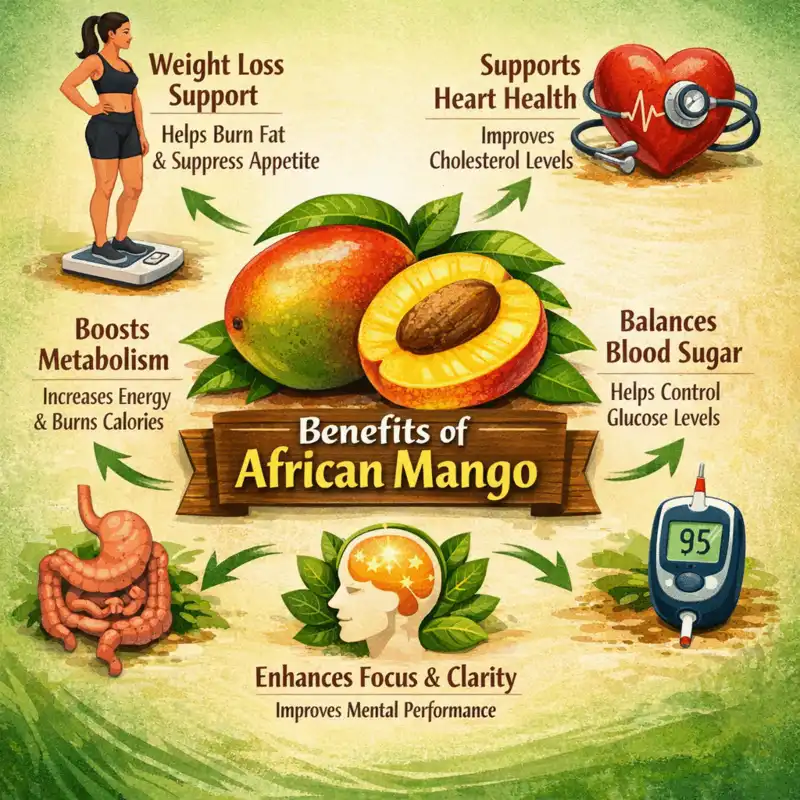
The compelling evidence for African Mango's role in blood sugar and cholesterol regulation firmly establishes its position as a promising nutraceutical in metabolic health. However, its benefits may extend beyond these parameters. The high fiber content and unique phytochemicals also suggest a significant role in modulating appetite and promoting satiety, offering a multifaceted approach to overall well-being. This intriguing connection between metabolic improvement and appetite regulation paves the way for a deeper exploration into its comprehensive impact on human health.
Okay, here's a long-form informative article for researchers on "Appetite Suppression and Satiety" related to African Mango, including FAQs and a smooth transition to topic 4.
---
# Unraveling the Mechanisms: African Mango's Influence on Appetite Suppression and Satiety
The global obesity epidemic continues to drive intensive research into novel therapeutic and nutraceutical interventions. Among the natural compounds garnering significant attention is *Irvingia gabonensis*, commonly known as African Mango. While widely marketed for its weight management properties, understanding the precise mechanisms by which it influences appetite suppression and satiety is paramount for scientific validation and clinical application. This article delves into the current research surrounding African Mango's role in modulating hunger signals, exploring the physiological pathways involved, and critically evaluating the evidence supporting its efficacy in promoting feelings of fullness and reducing caloric intake.
## The Endogenous Symphony of Appetite Regulation: A Complex Interplay
Before dissecting African Mango's impact, it's crucial to appreciate the intricate neurohormonal network that governs appetite and satiety. This system involves a delicate balance between orexigenic (appetite-stimulating) and anorexigenic (appetite-suppressing) signals originating from the gut, adipose tissue, and central nervous system. Key players include:
* **Leptin:** A hormone produced by adipocytes (fat cells) that signals long-term energy stores to the hypothalamus, promoting satiety and reducing food intake. Leptin resistance is a hallmark of obesity.
* **Adiponectin:** Another adipokine with insulin-sensitizing and anti-inflammatory properties, also implicated in energy metabolism.
* **Ghrelin:** Primarily produced in the stomach, ghrelin is a potent orexigenic hormone that stimulates hunger, peaking before meals.
* **Cholecystokinin (CCK):** A peptide hormone released by the duodenum and jejunum in response to fat and protein, promoting satiety and slowing gastric emptying.
* **Glucagon-like peptide-1 (GLP-1):** An incretin hormone released from the gut in response to nutrient intake, stimulating insulin secretion, slowing gastric emptying, and promoting satiety.
* **Peptide YY (PYY):** Released from the ileum and colon post-prandially, PYY reduces appetite and inhibits gastrointestinal motility.
* **Serotonin (5-HT):** A neurotransmitter with complex roles in mood and appetite, often linked to satiety signaling in the brain.
Dysregulation in any of these pathways can lead to increased hunger, reduced satiety, and ultimately, weight gain. Research into African Mango seeks to identify how its bioactive compounds interact with these established regulatory systems.
## Decoding the *Irvingia gabonensis* Matrix: Bioactive Constituents and Their Potential Roles
The seed kernels of *Irvingia gabonensis* are the primary source of its purported health benefits. These kernels are rich in a diverse array of compounds, including:
* **Soluble Fiber:** A significant component, constituting a substantial portion of the seed's dry weight. Soluble fiber is well-known for its ability to form viscous gels in the digestive tract, which can delay gastric emptying, increase bolus volume, and contribute to feelings of fullness.
* **Proteins:** Including globulins and albumins.
* **Lipids:** Primarily saturated and unsaturated fatty acids, though the role of these specific lipids in appetite regulation is less clear compared to the fiber content.
* **Phytochemicals:** Such as ellagic acid, flavonoids, and other phenolic compounds, which possess antioxidant and anti-inflammatory properties that may indirectly influence metabolic health.
While the synergistic effects of these constituents are likely, the high soluble fiber content is often highlighted as the primary driver of African Mango's impact on satiety.
## African Mango and the Hunger Hormones: Direct and Indirect Modulations
The core of research into African Mango's appetite-suppressing effects revolves around its influence on key hormones.
### Leptin Sensitivity and Adiponectin Expression
Several studies suggest that African Mango extract (AME) may play a role in improving leptin sensitivity and increasing adiponectin levels. In obese individuals, leptin resistance is common, meaning the brain does not adequately respond to leptin's satiety signals, leading to persistent hunger.
* **Proposed Mechanism:** It is hypothesized that certain compounds within AME, particularly the soluble fiber fraction, may help reduce inflammation and oxidative stress associated with obesity. Chronic inflammation can contribute to leptin resistance by interfering with leptin signaling pathways in the hypothalamus. By mitigating these inflammatory responses, AME could potentially restore or enhance leptin sensitivity.
* **Adiponectin:** Increased adiponectin levels are generally associated with improved insulin sensitivity and reduced inflammation. Some research indicates that AME supplementation can lead to a significant increase in circulating adiponectin. Higher adiponectin levels might indirectly contribute to satiety by improving overall metabolic health and potentially modulating neural circuits involved in appetite.
### Ghrelin Suppression
Reducing levels of the hunger hormone ghrelin is a direct pathway to appetite suppression. While direct evidence of AME directly inhibiting ghrelin production is less robust, its effects on gastric emptying and overall satiety could indirectly lead to lower ghrelin secretion.
* **Indirect Mechanism:** By delaying gastric emptying, as is characteristic of soluble fiber, African Mango could prolong the period before the stomach empties, thereby delaying the natural rise in ghrelin that typically precedes a meal. This extended feeling of fullness would naturally lead to a reduced drive to eat.
### Modulation of Gut Peptides (CCK, GLP-1, PYY)
The soluble fiber content of African Mango is a strong candidate for influencing the release of anorexigenic gut peptides.
* **Delayed Gastric Emptying:** The viscous gel formed by soluble fiber in the stomach and small intestine slows down the rate at which food passes into the duodenum. This prolonged presence of nutrients in the upper digestive tract can stimulate the sustained release of CCK and GLP-1.
* **Fermentation and SCFA Production:** As soluble fiber reaches the colon, it undergoes fermentation by gut microbiota, producing short-chain fatty acids (SCFAs) like acetate, propionate, and butyrate. SCFAs are known to interact with G-protein coupled receptors (GPCRs) on enteroendocrine cells, stimulating the release of GLP-1 and PYY. This gut-brain axis communication pathway provides another plausible mechanism for African Mango's satiety-promoting effects.
## Clinical Evidence: Supporting the Satiety Claims
Numerous human clinical trials have investigated the effects of African Mango extract on weight management parameters, many of which indirectly assess appetite and satiety.
* **Reduced Caloric Intake:** Studies often report a significant reduction in body weight, body fat, and waist circumference in subjects supplementing with AME compared to placebo. While not always directly measured, reduced caloric intake is the fundamental driver of such weight loss. This reduction is often attributed to a decreased desire to eat and increased feelings of fullness.
* **Subjective Satiety Scores:** Some trials have incorporated subjective measures of hunger and satiety using visual analog scales (VAS). Participants receiving AME frequently report lower hunger scores and higher satiety scores throughout the day.
* **Mechanism-Specific Findings:** A meta-analysis of AME studies often reveals significant improvements in leptin, adiponectin, and sometimes ghrelin levels, supporting the proposed hormonal mechanisms of appetite regulation. For instance, a notable study by Ngondi et al. (2009) reported significant reductions in body weight, body fat, and improvements in leptin and adiponectin levels in AME-supplemented groups.
## The Role of Fiber: A Key Player in Satiety
It is important to emphasize that while the specific phytochemicals in *Irvingia gabonensis* may contribute to its overall metabolic effects, the high soluble fiber content is a well-established mechanism for promoting satiety.
* **Increased Viscosity:** The mucilaginous fiber forms a gel, increasing the viscosity of stomach contents, which slows digestion and nutrient absorption.
* **Gastric Distension:** The increased volume of stomach contents due to fiber absorption of water can lead to gastric distension, a mechanical signal that contributes to feelings of fullness.
* **Gut Microbiota Modulation:** As discussed, the fermentable fiber acts as a prebiotic, fostering the growth of beneficial gut bacteria and the production of SCFAs, which play a crucial role in regulating appetite hormones.
Therefore, African Mango's impact on satiety is likely a multifaceted process, with soluble fiber playing a central, well-understood role, potentially amplified by the synergistic effects of other bioactive compounds on hormonal pathways.
## Frequently Asked Questions for Researchers
### Q1: What is the primary mechanism by which African Mango is thought to induce satiety?
**A1:** The primary mechanism is thought to be multifactorial, with a significant contribution from its high soluble fiber content. This fiber forms a viscous gel in the digestive tract, delaying gastric emptying, increasing gastric distension, and promoting the sustained release of anorexigenic gut hormones like CCK, GLP-1, and PYY. Additionally, bioactive compounds may improve leptin sensitivity and increase adiponectin levels, further contributing to satiety signaling.
### Q2: Are there specific compounds in African Mango that are more responsible for appetite suppression than others?
**A2:** While the synergistic effect of the entire matrix is important, the soluble fiber fraction is widely considered a key active component for satiety. However, research is ongoing to identify specific phytochemicals that might directly modulate hormonal pathways or neuronal activity related to appetite. Ellagic acid and other phenolic compounds have been investigated for their metabolic effects, but their direct role in satiety is less clear compared to fiber.
### Q3: How does African Mango interact with the gut microbiome to affect satiety?
**A3:** The soluble fiber in African Mango acts as a prebiotic, selectively fermenting in the colon by beneficial gut bacteria. This fermentation produces short-chain fatty acids (SCFAs) such as acetate, propionate, and butyrate. SCFAs can interact with G-protein coupled receptors on enteroendocrine cells, stimulating the release of GLP-1 and PYY, both of which are potent anorexigenic hormones that contribute to satiety.
### Q4: Have any studies investigated the long-term effects of African Mango on appetite regulation?
**A4:** Most clinical trials on African Mango for weight management have durations ranging from 4 to 16 weeks. While these studies consistently show short-to-medium term benefits in weight loss and associated metabolic markers, including indirect evidence of improved appetite control, long-term studies (e.g., beyond 6 months to a year) specifically focusing on sustained appetite regulation and satiety maintenance are less common. More extended research is needed to confirm lasting effects.
### Q5: What are the potential limitations or confounding factors in current research on African Mango and satiety?
**A5:** Several limitations exist:
1. **Standardization of Extracts:** Variability in the extraction methods and standardization of active compounds across different African Mango products can lead to inconsistent results.
2. **Dietary and Lifestyle Confounding:** Many studies combine AME supplementation with dietary and exercise recommendations, making it challenging to isolate the sole effect of the supplement.
3. **Subjective Measures:** While useful, subjective satiety scales can be influenced by psychological factors and individual perception.
4. **Mechanism Elucidation:** While hormonal changes are observed, the precise molecular targets and signaling pathways directly modulated by specific African Mango compounds still require further in-depth investigation.
5. **Small Sample Sizes:** Some studies have relatively small sample sizes, limiting the generalizability of their findings.
## Conclusion: A Promising Modulator of Appetite
The evidence suggests that African Mango, particularly its seed kernel extract, holds promise as a natural intervention for modulating appetite and promoting satiety. Its rich soluble fiber content, coupled with its potential to positively influence leptin sensitivity, adiponectin levels, and the release of anorexigenic gut peptides, provides a compelling scientific basis for its observed effects on weight management. While the exact molecular mechanisms warrant further detailed investigation, the cumulative data points towards a multifaceted physiological action that contributes to reduced hunger and increased feelings of fullness. These findings underscore the importance of continued research into *Irvingia gabonensis* as a valuable tool in the ongoing battle against obesity and metabolic disorders.
Beyond its immediate impact on appetite, the comprehensive beneficial effects of African Mango extend to other crucial aspects of metabolic health. Its potential to regulate blood sugar and cholesterol levels represents another significant area of scientific inquiry, offering further insights into its holistic contribution to wellness.
---
# African Mango and Digestive Health: Unpacking the Fiber-Rich Benefits
## A Deeper Dive into *Irvingia gabonensis*' Gastrointestinal Impact
The global pursuit of optimal health has increasingly turned its gaze towards natural interventions, with botanical extracts often taking center stage. Among these, *Irvingia gabonensis*, commonly known as African Mango, has garnered significant attention, particularly for its purported benefits in weight management. However, beyond the well-publicized effects on metabolism and fat accumulation, a critical, yet often overlooked, aspect of its efficacy lies in its profound impact on digestive health. This article aims to provide a comprehensive, research-oriented exploration of how African Mango, primarily through its rich fiber content, contributes to gastrointestinal well-being, offering a scientific foundation for its inclusion in dietary strategies.
---
### The Fiber Matrix of *Irvingia gabonensis*: A Key to Digestive Wellness
The seed of *Irvingia gabonensis* is remarkably rich in dietary fiber, a complex carbohydrate that plays a pivotal role in maintaining a healthy digestive system. Dietary fiber is broadly categorized into soluble and insoluble forms, both of which contribute uniquely to gastrointestinal function. African Mango seeds contain a significant proportion of soluble fiber, particularly mucilage, which forms a viscous gel when mixed with water. This gel-forming property is central to many of its digestive benefits.
#### Soluble Fiber: Mechanisms of Action in the Gut
The soluble fiber component of African Mango exerts several beneficial effects within the gastrointestinal tract:
* **Increased Viscosity of Chyme:** Upon ingestion, the soluble fiber absorbs water, forming a gel-like substance that increases the viscosity of the chyme in the stomach and small intestine. This increased viscosity slows down gastric emptying, leading to a prolonged sensation of fullness and reduced postprandial glucose spikes. From a digestive health perspective, this controlled transit can help regulate nutrient absorption and prevent rapid fluctuations in blood sugar, which can impact gut motility and microbial balance.
* **Binding of Bile Acids:** Soluble fibers, including those found in *Irvingia gabonensis*, are known to bind to bile acids in the small intestine. Bile acids, synthesized from cholesterol in the liver, are crucial for fat digestion and absorption. By binding these acids, soluble fiber promotes their excretion, necessitating the liver to draw upon cholesterol reserves to synthesize new bile acids. This mechanism not only contributes to cholesterol regulation but also indirectly impacts gut health by modifying the enterohepatic circulation.
* **Prebiotic Effects:** Perhaps one of the most significant contributions of soluble fiber to digestive health is its role as a prebiotic. Prebiotics are non-digestible food ingredients that selectively stimulate the growth and/or activity of beneficial bacteria in the colon, such as *Bifidobacteria* and *Lactobacilli*. As the soluble fiber from African Mango reaches the large intestine, it undergoes fermentation by the resident gut microbiota. This fermentation process yields short-chain fatty acids (SCFAs), primarily acetate, propionate, and butyrate.
* **Butyrate:** This SCFA is a primary energy source for colonocytes (cells lining the colon) and is crucial for maintaining the integrity of the intestinal barrier. A robust intestinal barrier prevents the translocation of harmful substances and pathogens from the gut lumen into the bloodstream, a condition often referred to as "leaky gut."
* **Acetate and Propionate:** These SCFAs have systemic effects, including involvement in glucose and lipid metabolism, and may influence satiety signals. Their production contributes to a lower colonic pH, which can inhibit the growth of pathogenic bacteria and further support a healthy microbial ecosystem.
#### Insoluble Fiber: The Structural Backbone
While soluble fiber often garners more attention for its metabolic effects, the insoluble fiber present in African Mango also plays a vital role in digestive health. Insoluble fiber, which does not dissolve in water, adds bulk to the stool. This bulk facilitates regular bowel movements by stimulating peristalsis (the muscular contractions that move food through the digestive tract).
* **Prevention of Constipation:** By increasing stool volume and softening its consistency, insoluble fiber helps prevent constipation, a common digestive complaint. Regular bowel movements are essential for eliminating waste products and toxins from the body, contributing to overall gut health and comfort.
* **Reduced Transit Time:** The increased bulk also helps to reduce the transit time of food through the colon, potentially minimizing the exposure of the intestinal lining to harmful substances.
---
### Research Insights into African Mango and Gut Function
While much of the research on *Irvingia gabonensis* has focused on its weight-loss properties, several studies have indirectly or directly highlighted its positive impact on digestive parameters.
* **Human Clinical Trials:** Numerous human trials investigating the weight-reducing effects of African Mango extract have consistently reported improvements in various metabolic markers, which are often intrinsically linked to gut health. For instance, reductions in C-reactive protein (a marker of inflammation) have been observed, suggesting a potential anti-inflammatory effect that could benefit the gut lining.
* **Impact on Gut Microbiota:** Although direct studies specifically on African Mango's impact on human gut microbiota composition are still emerging, the known prebiotic properties of its soluble fiber strongly suggest a positive modulation. Studies on other fiber-rich foods have demonstrated similar effects, providing a strong theoretical basis.
* **Satiety and Gastric Emptying:** The observed increase in satiety and reduction in appetite in African Mango users are directly attributable to the gel-forming properties of its soluble fiber, which slows gastric emptying. This controlled release of chyme into the small intestine allows for more efficient digestion and absorption, reducing the likelihood of digestive discomfort.
---
### Practical Considerations and Dosage
When considering African Mango for digestive health, it's crucial to understand that the benefits are primarily derived from the fiber content. Therefore, extracts standardized for *Irvingia gabonensis* seed extract (IGOB131® being a well-researched proprietary extract) are often preferred due to their consistent composition.
* **Dosage:** Typical dosages in clinical studies range from 150 mg to 300 mg of standardized extract, taken twice daily before meals. However, individual responses may vary, and it's always advisable to consult with a healthcare professional before initiating any new supplement regimen, especially for individuals with pre-existing digestive conditions.
* **Hydration:** Due to its high fiber content, adequate water intake is paramount when supplementing with African Mango to prevent potential digestive discomfort such as bloating or constipation, particularly during the initial stages.
---
### Frequently Asked Questions (FAQs)
#### Q1: Can African Mango help with constipation?
**A1:** Yes, African Mango, particularly due to its insoluble fiber content, adds bulk to stool and can help stimulate regular bowel movements, thereby alleviating constipation. Its soluble fiber also contributes by softening stool.
#### Q2: Is African Mango a probiotic or a prebiotic?
**A2:** African Mango is considered a **prebiotic**. It contains soluble fibers that are not digested by human enzymes but are fermented by beneficial bacteria in the gut, stimulating their growth and activity. It does not contain live beneficial bacteria (probiotics) itself.
#### Q3: How does African Mango affect gut inflammation?
**A3:** While not directly studied as an anti-inflammatory agent for the gut, the prebiotic effects of African Mango's fiber lead to the production of short-chain fatty acids like butyrate. Butyrate is known to nourish colonocytes and maintain the integrity of the intestinal barrier, which can reduce gut permeability and potentially mitigate inflammation. Some studies have also shown a reduction in systemic inflammatory markers (like C-reactive protein) with African Mango supplementation, which could indirectly benefit gut health.
#### Q4: Can African Mango cause digestive upset?
**A4:** Some individuals may experience mild digestive upset, such as bloating or gas, particularly when first starting African Mango supplementation. This is common with increased fiber intake as the gut microbiota adjusts. Gradually increasing the dosage and ensuring adequate hydration can help minimize these effects. If symptoms persist or are severe, discontinue use and consult a healthcare professional.
#### Q5: How long does it take to see digestive benefits from African Mango?
**A5:** The time frame for experiencing digestive benefits can vary. Improvements in bowel regularity might be noticed within a few days to a week. The prebiotic effects and subsequent modulation of gut microbiota take longer, typically several weeks to months, to establish noticeable changes in gut health and microbial balance. Consistent use and adherence to recommended dosages are key.
#### Q6: Does African Mango interact with medications for digestive conditions?
**A6:** As African Mango contains significant fiber, it could potentially affect the absorption of certain medications if taken simultaneously. It's advisable to take African Mango supplements at least 1-2 hours apart from any medications. Individuals with pre-existing digestive conditions such as Irritable Bowel Syndrome (IBS), Crohn's disease, or ulcerative colitis should consult their physician before using African Mango, as high fiber intake can sometimes exacerbate symptoms in sensitive individuals.
---
### Conclusion: Reinforcing the Gut-Health Connection
The evidence strongly suggests that *Irvingia gabonensis*, through its rich and diverse fiber content, offers substantial benefits for digestive health. From promoting regular bowel movements and alleviating constipation to acting as a potent prebiotic that nourishes beneficial gut bacteria and produces vital short-chain fatty acids, African Mango contributes significantly to a robust and balanced gastrointestinal system. Understanding these mechanisms moves beyond anecdotal claims, providing a scientific basis for its potential role in supporting overall gut wellness. As research continues to unravel the intricate connections between diet, gut microbiota, and systemic health, the multifaceted contributions of natural compounds like African Mango will undoubtedly remain a focal point of scientific inquiry.
---
While digestive health is a cornerstone of overall well-being, the benefits of African Mango extend even further. Its well-documented impact on various metabolic parameters and its role in combating oxidative stress also warrant close examination. This leads us to our next crucial area of exploration: the antioxidant properties of African Mango and its contribution to overall cellular health and disease prevention.
---
# Unveiling the Antioxidant Powerhouse: *Irvingia gabonensis* and its Broader Wellness Implications
The relentless pursuit of natural compounds with therapeutic potential continues to drive significant scientific inquiry. Among the vast array of botanical candidates, *Irvingia gabonensis*, commonly known as African Mango, has garnered increasing attention, not solely for its well-publicized metabolic benefits, but also for its profound antioxidant properties and their far-reaching implications for human health. This article delves into the intricate mechanisms and observed effects of *Irvingia gabonensis* as an antioxidant, moving beyond its weight management narrative to explore its broader contributions to cellular protection and overall wellness.
## The Oxidative Stress Conundrum: A Foundation for Disease
Oxidative stress, an imbalance between the production of reactive oxygen species (ROS) and the body's ability to neutralize them, is a ubiquitous underlying factor in the pathogenesis of numerous chronic diseases. From cardiovascular disorders and neurodegenerative conditions to metabolic syndromes and certain cancers, uncontrolled oxidative damage to lipids, proteins, and DNA can disrupt cellular function, trigger inflammatory cascades, and accelerate aging. Consequently, identifying and understanding natural compounds capable of mitigating this stress is paramount for preventive and therapeutic strategies.
## *Irvingia gabonensis*: A Rich Reservoir of Bioactive Antioxidants
While often highlighted for its fiber and leptin-modulating effects, the seeds of *Irvingia gabonensis* are a veritable treasure trove of phytochemicals with potent antioxidant activities. These include a diverse spectrum of polyphenols, flavonoids, ellagic acid, tannins, and carotenoids. The synergistic interplay of these compounds is believed to contribute to the plant's robust free-radical scavenging capacity.
### Key Antioxidant Components and Their Mechanisms:
* **Polyphenols and Flavonoids:** These compounds are well-established free radical scavengers, capable of donating electrons to neutralize harmful ROS, thereby preventing oxidative damage to cellular components. They also chelate metal ions that can catalyze radical reactions.
* **Ellagic Acid:** A potent polyphenol found in *Irvingia gabonensis*, ellagic acid exhibits significant antioxidant, anti-inflammatory, and anticarcinogenic properties. It can scavenge free radicals, modulate antioxidant enzyme activity (e.g., superoxide dismutase, catalase, glutathione peroxidase), and inhibit lipid peroxidation.
* **Carotenoids:** While less extensively studied in *Irvingia gabonensis* itself, the presence of carotenoids, known for their lipid-soluble antioxidant capacity, contributes to protecting cell membranes from oxidative assault.
* **Tannins:** These complex phenolic compounds also possess strong antioxidant activity, primarily through their ability to scavenge free radicals and chelate metal ions.
## *In Vitro* and *In Vivo* Evidence of Antioxidant Efficacy
Numerous studies have elucidated the antioxidant potential of *Irvingia gabonensis* extracts:
* **Free Radical Scavenging Assays:** *In vitro* studies using DPPH (2,2-diphenyl-1-picrylhydrazyl) and ABTS (2,2'-azino-bis(3-ethylbenzothiazoline-6-sulfonic acid)) assays consistently demonstrate the significant free radical scavenging activity of *Irvingia gabonensis* seed extracts, often comparable to or exceeding that of synthetic antioxidants like BHT.
* **Lipid Peroxidation Inhibition:** Extracts have shown the ability to inhibit lipid peroxidation in various model systems, protecting cell membranes from oxidative degradation. This is particularly relevant given the role of lipid peroxidation in cardiovascular disease and neurodegeneration.
* **Modulation of Endogenous Antioxidant Enzymes:** *Irvingia gabonensis* has been observed to upregulate the activity of endogenous antioxidant enzymes, such as superoxide dismutase (SOD), catalase (CAT), and glutathione peroxidase (GPx), in animal models. This enhancement of the body's intrinsic defense system is a crucial mechanism for long-term oxidative stress management.
* **Reduced Oxidative Stress Markers:** *In vivo* studies, particularly those involving induced oxidative stress (e.g., carbon tetrachloride toxicity, high-fat diets), have reported reductions in markers of oxidative damage, such as malondialdehyde (MDA) and increased levels of glutathione (GSH) in tissues and plasma following *Irvingia gabonensis* supplementation.
## Broader Wellness Implications Stemming from Antioxidant Activity
The antioxidant properties of *Irvingia gabonensis* extend beyond direct free radical scavenging, contributing to its observed benefits in various health domains:
### 1. Cardiovascular Health:
Oxidative stress plays a pivotal role in the initiation and progression of atherosclerosis, endothelial dysfunction, and hypertension. By reducing oxidative damage to LDL cholesterol, protecting endothelial cells, and mitigating inflammatory responses, *Irvingia gabonensis*'s antioxidant profile contributes to improved cardiovascular outcomes. This complements its known effects on lipid metabolism, creating a synergistic protective effect.
### 2. Anti-inflammatory Effects:
Oxidative stress and inflammation are intimately linked, with each exacerbating the other. The antioxidant compounds in *Irvingia gabonensis* can modulate inflammatory pathways by inhibiting the activation of NF-κB, a master regulator of inflammatory gene expression, and by reducing the production of pro-inflammatory cytokines. This anti-inflammatory action is crucial for mitigating chronic diseases where inflammation is a key driver.
### 3. Metabolic Syndrome Management:
Beyond its direct impact on weight and glucose metabolism, the antioxidant capacity of *Irvingia gabonensis* helps combat insulin resistance and metabolic dysfunction. Oxidative stress in adipose tissue and the liver contributes to impaired insulin signaling. By attenuating this stress, *Irvingia gabonensis* supports healthier metabolic profiles.
### 4. Hepatoprotective Effects:
The liver is highly susceptible to oxidative damage due to its central role in metabolism and detoxification. Studies have shown that *Irvingia gabonensis* extracts can protect liver cells from oxidative injury induced by toxins, suggesting a hepatoprotective role attributable, in part, to its antioxidant properties.
### 5. Potential Neuroprotection:
While research is nascent, the antioxidant and anti-inflammatory properties of *Irvingia gabonensis* suggest potential neuroprotective effects. Oxidative stress is a significant contributor to neurodegenerative diseases like Alzheimer's and Parkinson's. Further research is warranted to explore how *Irvingia gabonensis* might cross the blood-brain barrier and exert benefits in the central nervous system.

Kwame Nkrumah
As a passionate health advocate, I'm dedicated to unlocking the transformative power of natural wellness. My journey began with a deep appreciation for traditional African superfoods, particularly the incredible African Mango. At African Mango Wellness, we believe in empowering you with reliable information and high-quality supplements to support your health goals, from weight management to overall vitality. Join us in embracing a healthier, more vibrant life, naturally!
Popular Posts
Exploring African Mango Interactions
![Exploring African Mango Interactions]() If you're seeking a natural way to supercharge your health journey, African mango might just be the
If you're seeking a natural way to supercharge your health journey, African mango might just be the
 If you're seeking a natural way to supercharge your health journey, African mango might just be the
African Mango and Pregnancy Insights
![African Mango and Pregnancy Insights]() As a health advocate, understanding the nuances of wellness during pregnancy is vital. One such topi
As a health advocate, understanding the nuances of wellness during pregnancy is vital. One such topi
 As a health advocate, understanding the nuances of wellness during pregnancy is vital. One such topi
African Mango: Know the Risks
![African Mango: Know the Risks]() What if a single fruit could help manage your weight and boost your energy levels? African Mango, sc
What if a single fruit could help manage your weight and boost your energy levels? African Mango, sc
 What if a single fruit could help manage your weight and boost your energy levels? African Mango, sc
African Mango Benefits
![Benefits of African Mango]() Here are five topics on the benefits of African Mango.1. **Weight Management and Fat Loss**2. **Bloo
Here are five topics on the benefits of African Mango.1. **Weight Management and Fat Loss**2. **Bloo
 Here are five topics on the benefits of African Mango.1. **Weight Management and Fat Loss**2. **Bloo
