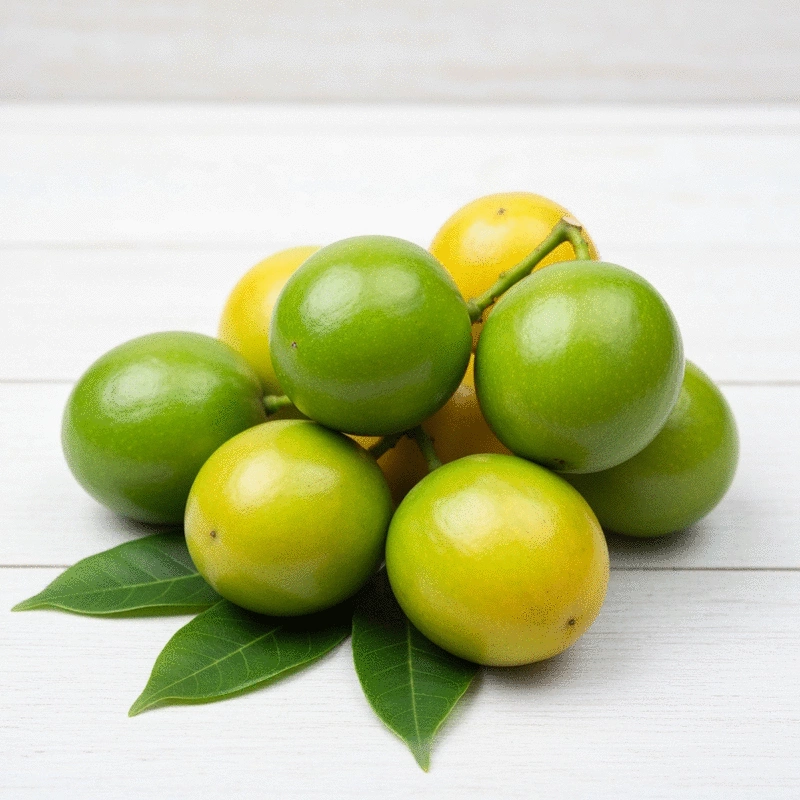
Origins & Habitat
- Native: Cameroon, Nigeria
- Conditions: Humid, Tropical Climates
- Growth: Up to 20 meters tall
What if a single fruit could transform your health and culinary experiences? The African mango, or Irvingia Gabonensis, is not just a delicious addition to your diet; it's a powerhouse of potential health benefits that have been embraced for generations.
Delve into the core aspects of Irvingia Gabonensis, exploring its geographical origins, traditional applications, and the key benefits that make it a celebrated superfood.
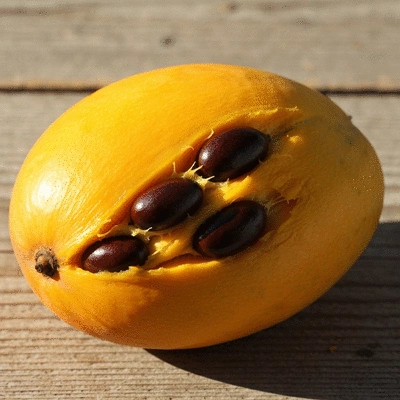
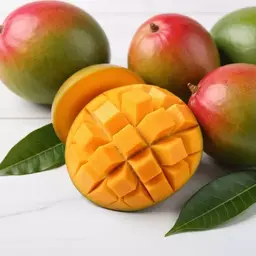
Irvingia Gabonensis, commonly known as African mango or bush mango, is a tropical tree native to the rainforests of West Africa. This remarkable plant belongs to the Irvingiaceae family and is celebrated for its nutrient-rich seeds, which have been utilized for centuries in both culinary and medicinal contexts. The fruit of the African mango is not only tasty but also packed with health benefits that continue to draw interest in the wellness community. To learn more about how this fruit can benefit you, read our article on African Mango for Health Benefits.
As a health advocate at African Mango Wellness, I often find myself discussing the significance of this superfood. The seeds of Irvingia Gabonensis are particularly valued for their potential effects on weight management and overall health. It’s fascinating how something so simple can hold such powerful benefits!
Irvingia Gabonensis thrives in the tropical regions of Cameroon and Nigeria. These areas provide the ideal environmental conditions for this tree to flourish, characterized by rich, well-drained soils and a humid climate. The tree can grow up to 20 meters tall, and its fruit ripens during the rainy season, offering both nourishment for local wildlife and a source of food for communities.
Understanding the habitat of Irvingia Gabonensis sheds light on how traditional practices have evolved around this superfood. People in these regions have long utilized the seeds to enhance their diets, showcasing a beautiful blend of nature and culture that continues to inspire our mission at African Mango Wellness.
The seeds of Irvingia Gabonensis play an essential role in African cuisine, particularly in dishes such as Ogbono soup. This hearty soup, made from the ground seeds, is not only delicious but is also revered for its thick, rich texture that adds depth to various meals. It’s a staple in many Nigerian households and is often enjoyed with fufu or rice. For more culinary inspiration, check out our African Mango Recipes for Home.
As I explore the culinary landscape of African Mango, I find joy in sharing how these traditional foods connect people to their heritage. These recipes are more than just meals; they are a reflection of the history and culture that enrich lives.
Beyond its culinary uses, Irvingia Gabonensis has a rich history in African traditional medicine. The seeds have been used for generations to address various ailments, including digestive issues and inflammation. This cultural significance highlights the deep-rooted belief in the healing power of nature, a belief that resonates strongly with our philosophy at African Mango Wellness.
In many communities, rituals and practices surrounding the use of this superfood are passed down through generations, reinforcing its importance in daily life. It’s incredible to see how Irvingia Gabonensis is not only a source of nourishment but also a symbol of cultural pride and identity.
Did you know? To maximize the benefits of Irvingia Gabonensis, consider incorporating it into your daily routine in various forms, such as smoothies, soups, or even as a thickening agent in your cooking. This not only enhances your meals but also ensures you're getting a consistent intake of its powerful nutrients!
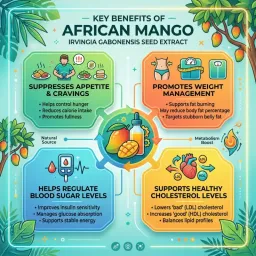
As we've explored the fascinating world of Irvingia Gabonensis, it's clear this superfood, also known as African mango, offers a range of impressive benefits. From its rich culinary history to its potential for supporting weight management and overall health, African Mango Wellness stands by the transformative properties of this incredible fruit.
In conclusion, whether you are looking for a natural way to boost your health or simply want to explore new culinary delights, Irvingia Gabonensis is worth considering. At African Mango Wellness, we encourage you to incorporate this nutrient-dense superfood into your lifestyle, experiencing firsthand the positive changes it can bring!
If you're intrigued by Irvingia Gabonensis and want to dive deeper, there are plenty of resources available for you! I recommend exploring scientific studies that focus on its health benefits, along with articles that shed light on its cultural significance in various African communities. These insights not only enhance your understanding but also enrich your appreciation of this remarkable fruit.
By educating yourself, you're empowering your wellness journey! Embrace the knowledge and let it guide you toward healthier choices.
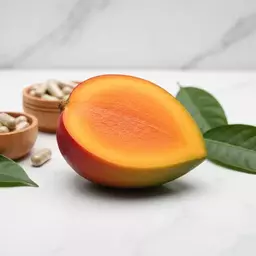
Nutraceuticals, a blend of nutrition and pharmaceuticals, play a crucial role in supporting our health. Irvingia Gabonensis fits beautifully into this category as it not only provides essential nutrients but also offers therapeutic benefits. As I continue to share insights on African mango, I invite you to reflect on how incorporating such nutraceuticals can enhance your well-being. For a deeper understanding of its benefits, refer to our article Exploring African Mango Benefits.
At African Mango Wellness, we believe in the power of nature to support your health goals. Let's embrace this journey together and make the most of what Irvingia Gabonensis has to offer!
Here is a quick recap of the important points discussed in the article:
As a passionate health advocate, I'm dedicated to unlocking the transformative power of natural wellness. My journey began with a deep appreciation for traditional African superfoods, particularly the incredible African Mango. At African Mango Wellness, we believe in empowering you with reliable information and high-quality supplements to support your health goals, from weight management to overall vitality. Join us in embracing a healthier, more vibrant life, naturally!